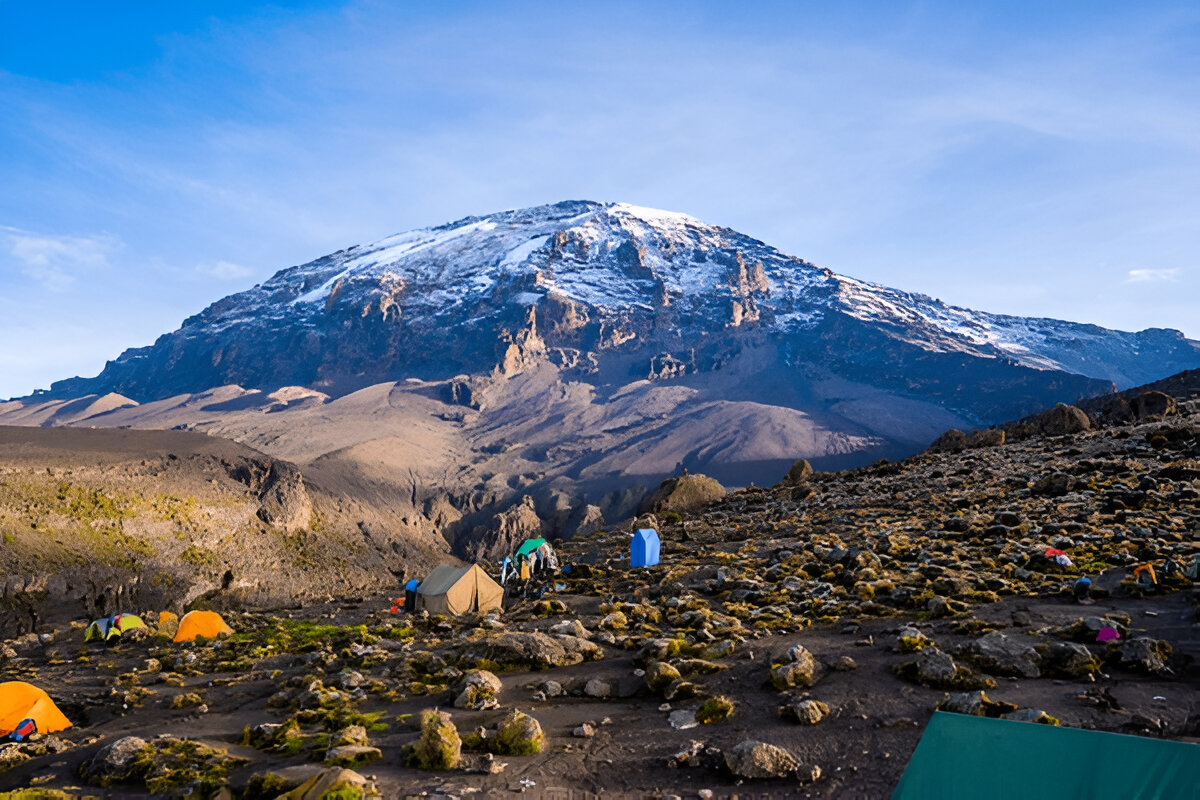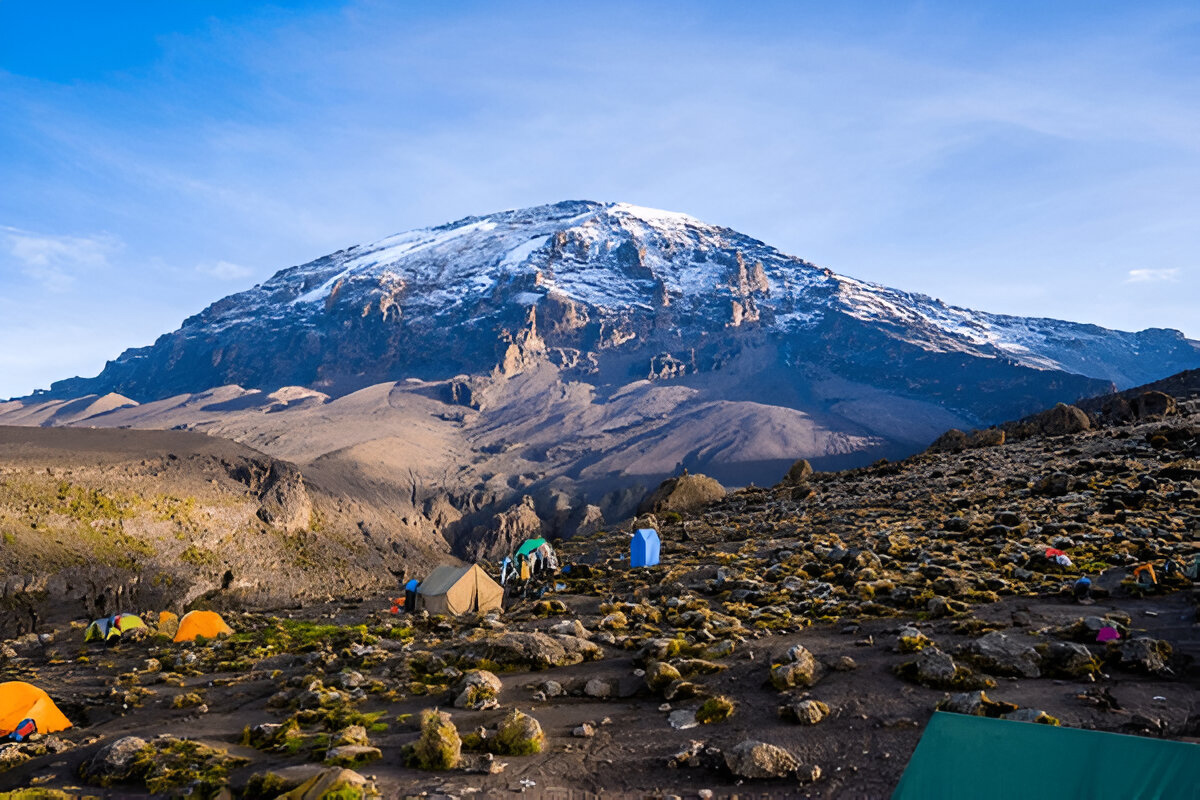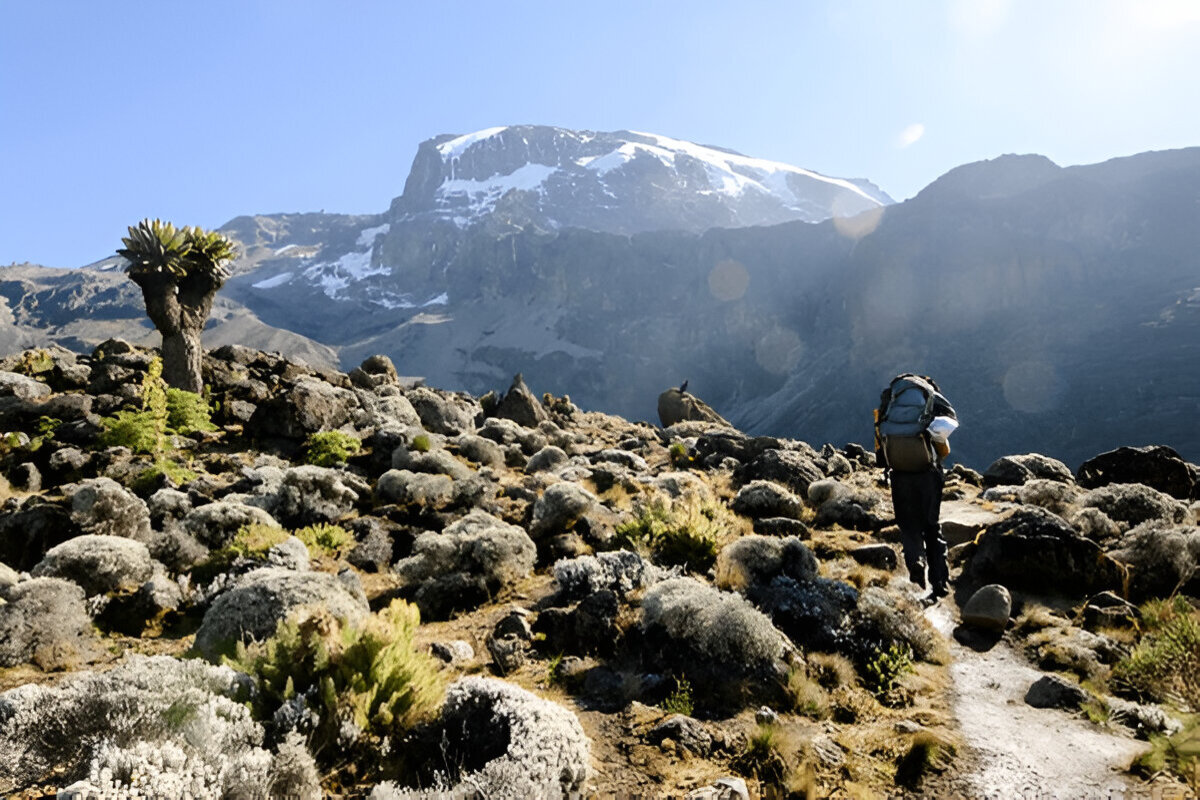

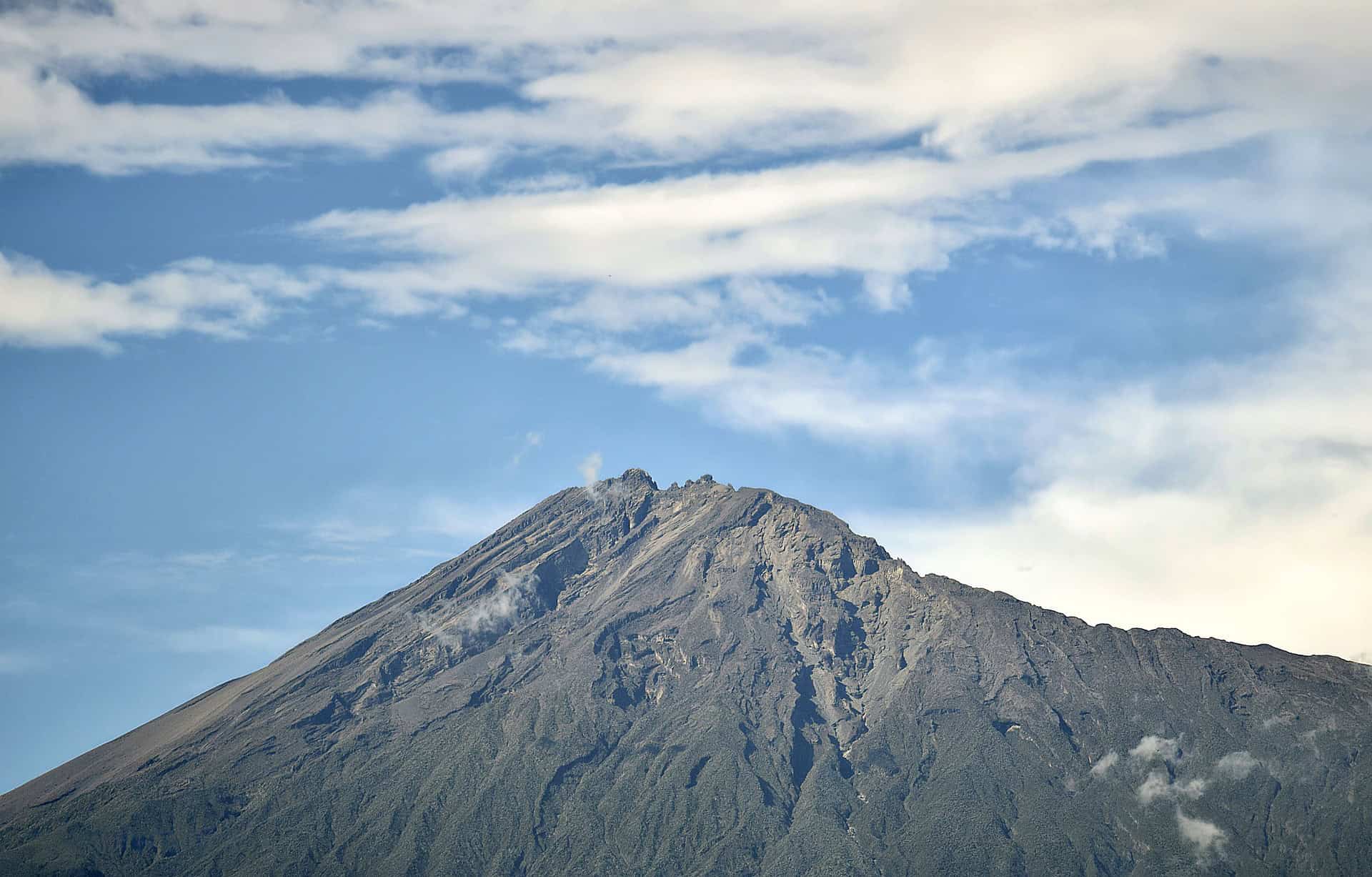
At an impressive height of 4,566 meters (14,980 ft), Mount Meru is a dormant stratovolcano located inside Arusha National Park, just about 70 km (43 miles) west of Mount Kilimanjaro in Tanzania. Often overshadowed by its famous neighbour, Mount Meru remains one of Africa’s most underrated trekking peaks and proudly stands as the second-highest mountain in Tanzania.
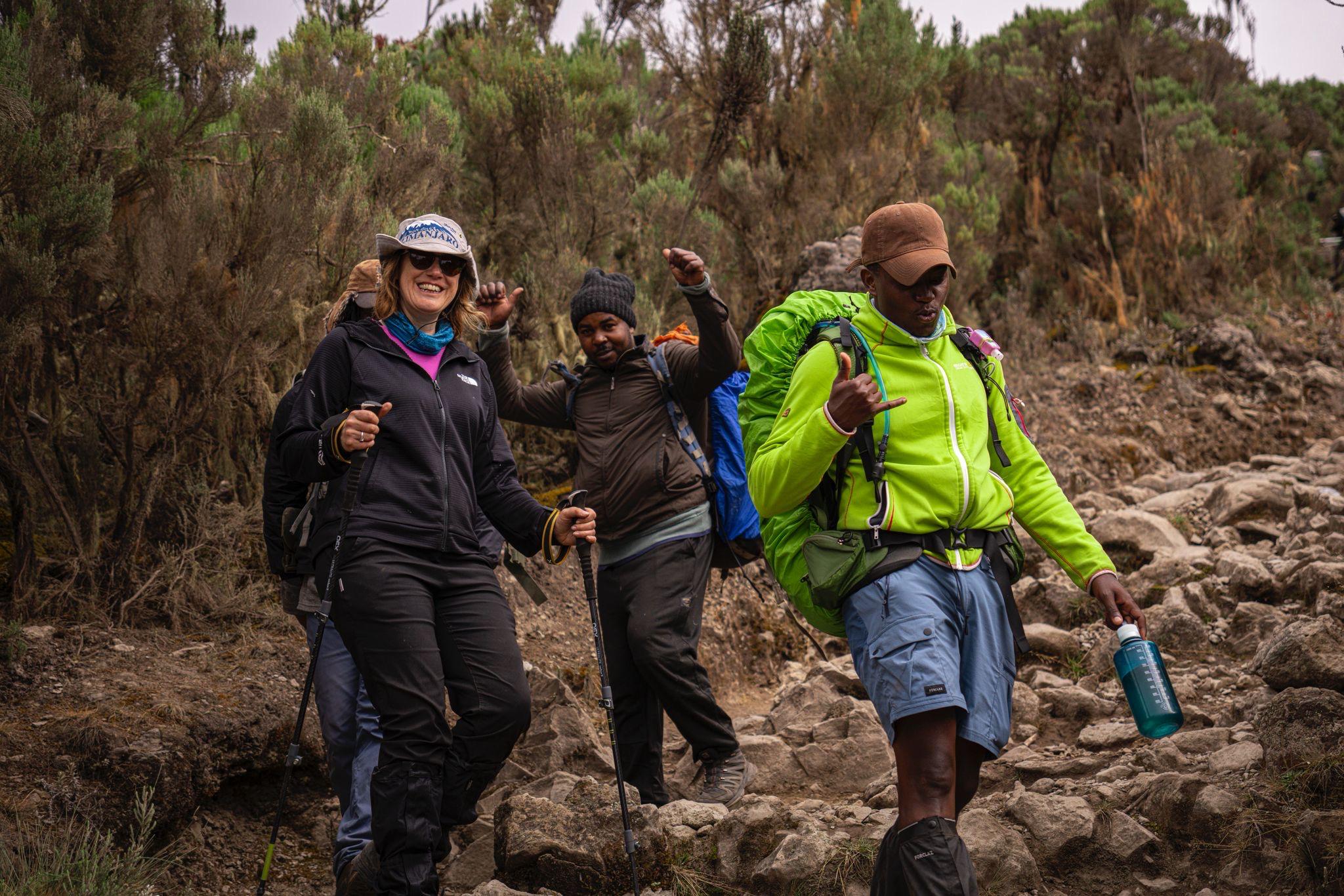
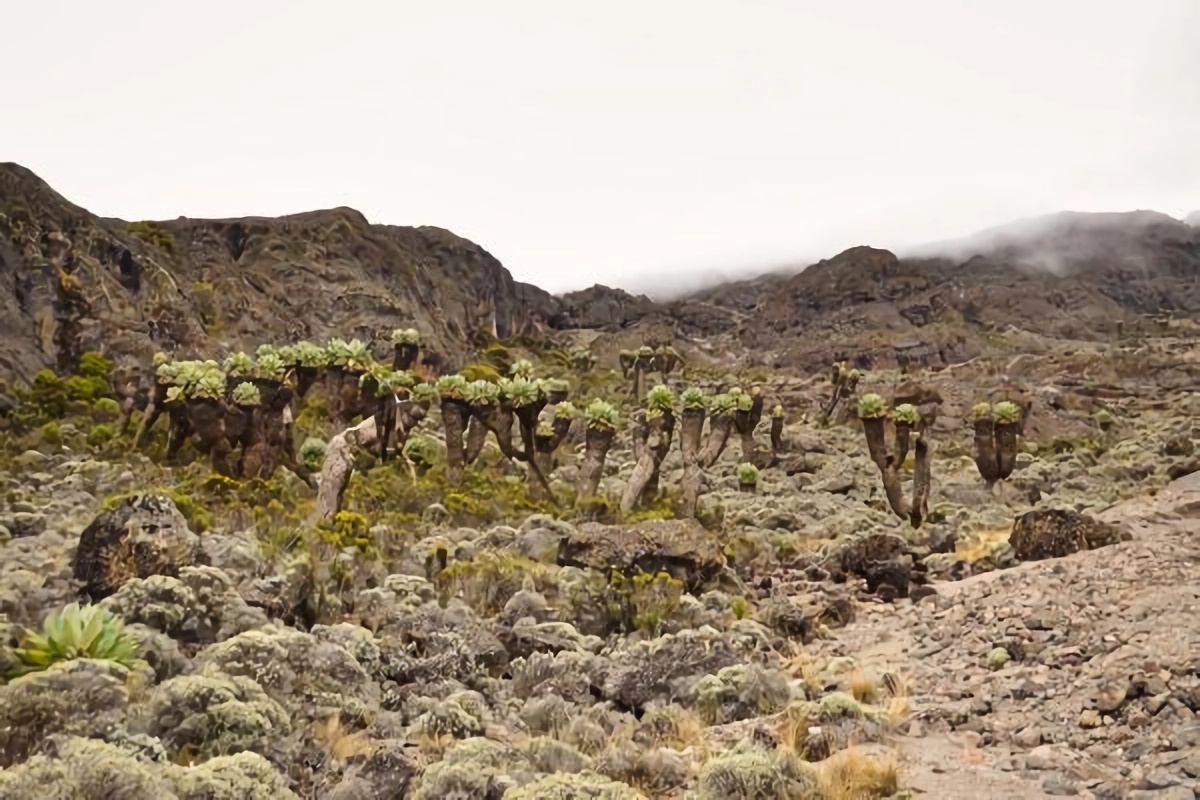
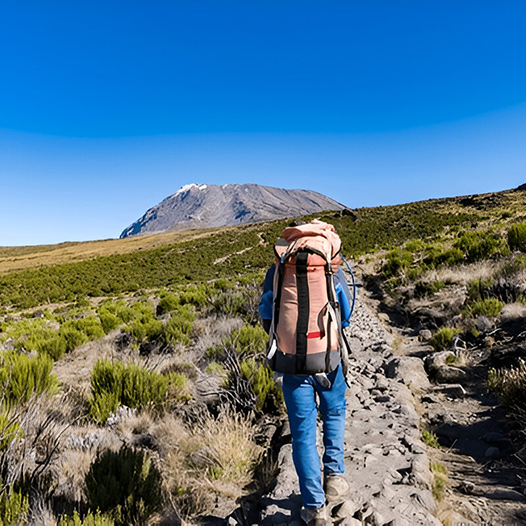
Unlike the busier routes of Kilimanjaro, Mount Meru offers a more intimate and immersive mountain experience. The climb takes you through lush forests, open savannahs, dramatic crater walls, and alpine ridges—all within a protected wildlife ecosystem. It is one of the few mountains in Africa where trekking feels like a walking safari in the lower sections.
A typical Mount Meru climb takes 4 days, although experienced hikers sometimes complete it in 3 days. However, the 4-day itinerary is highly recommended because it allows better acclimatization, reduces fatigue, and significantly improves summit success rates.
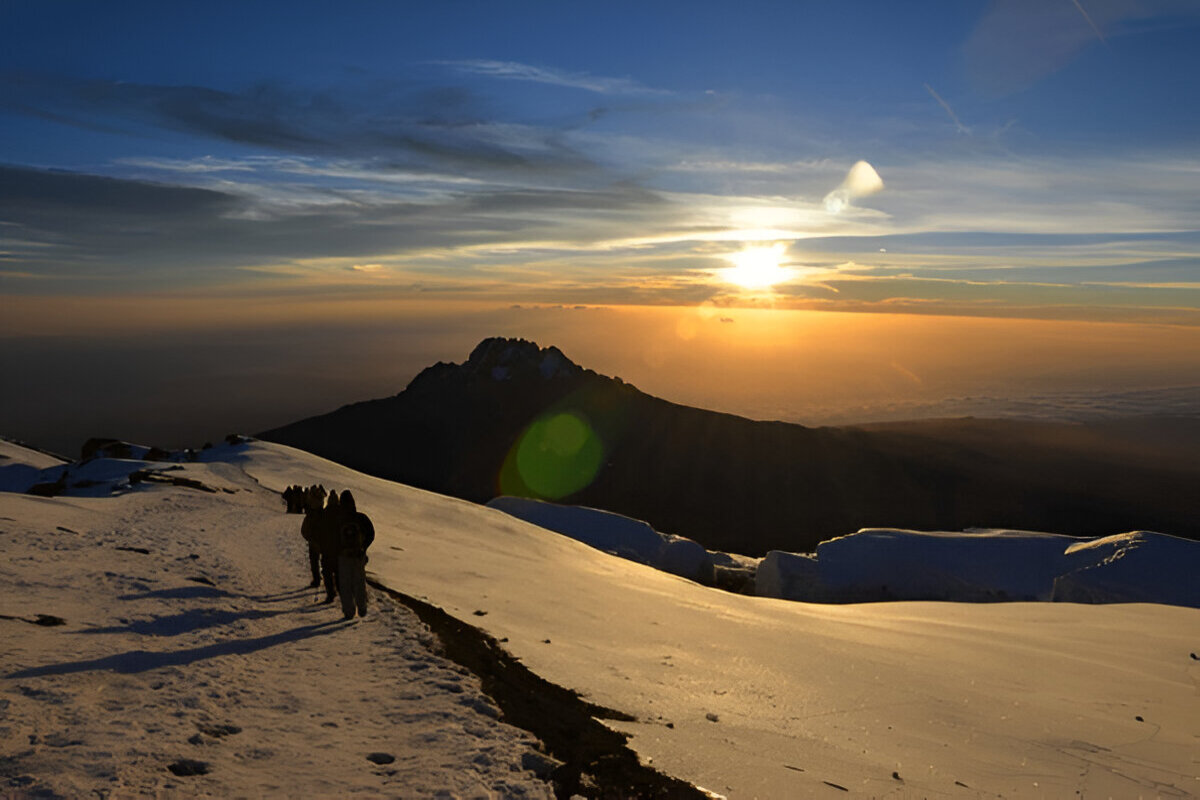
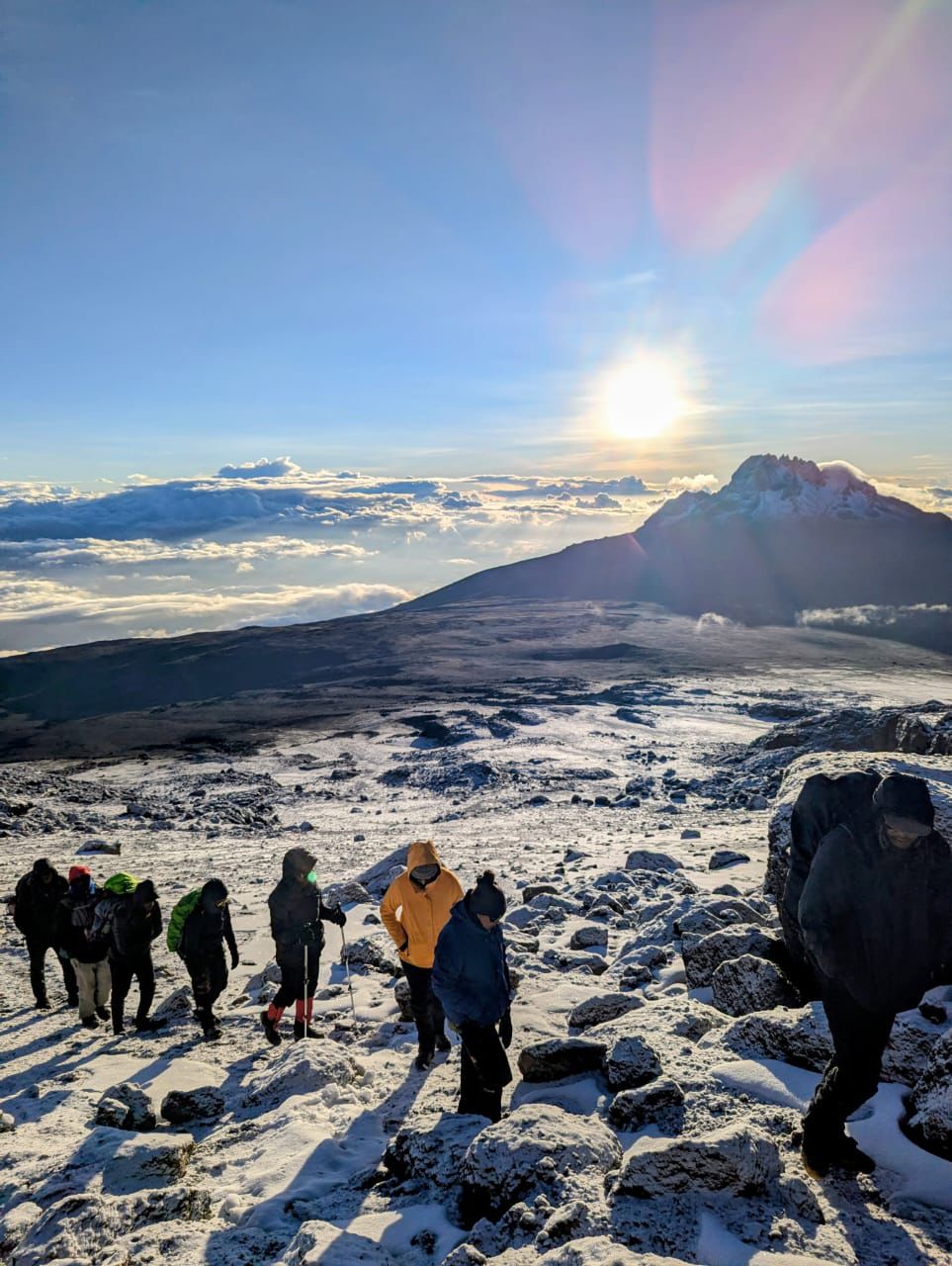
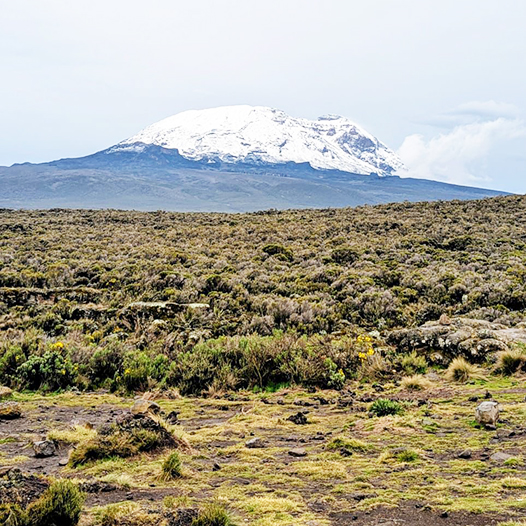
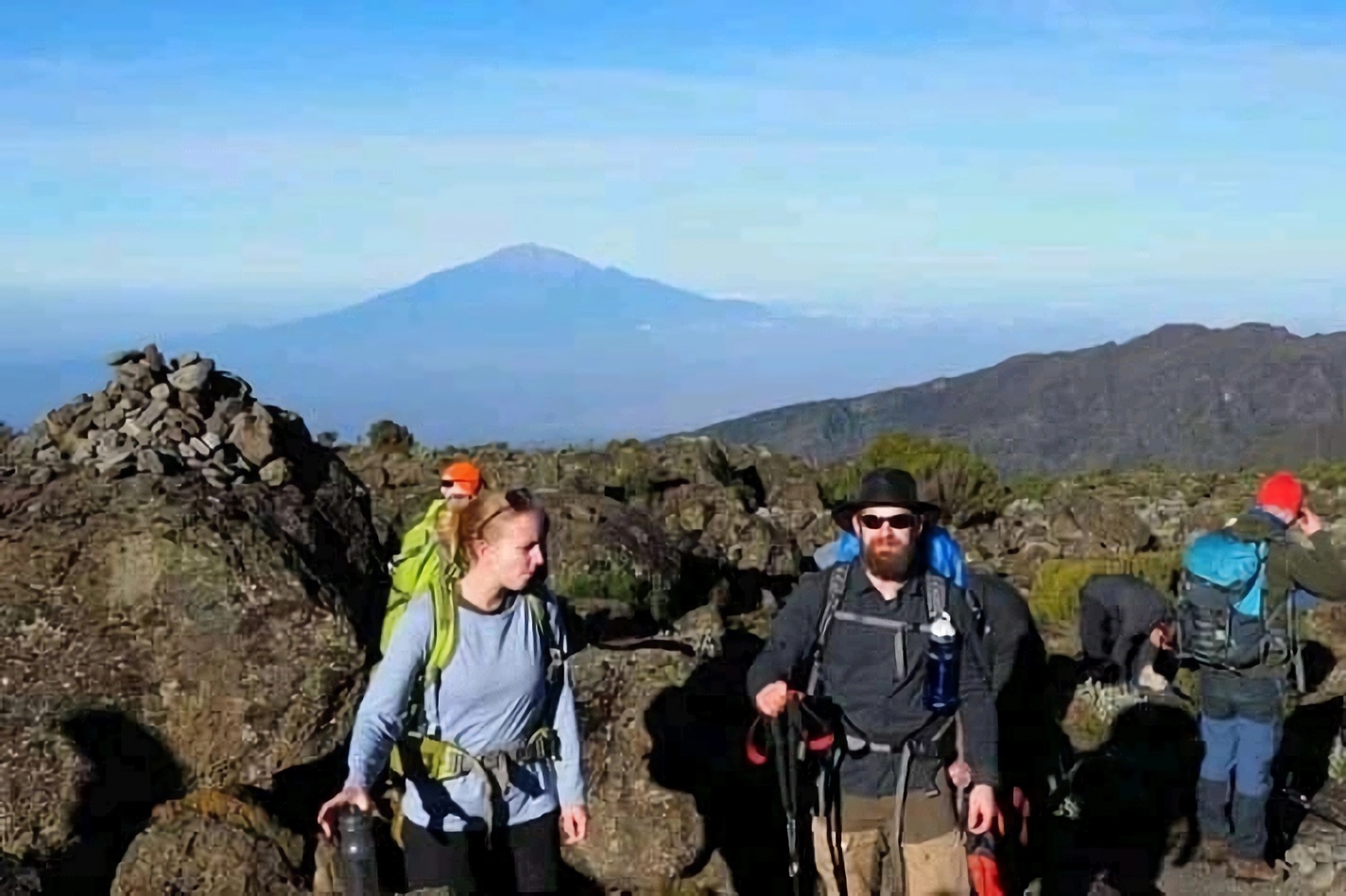
On clear days, the views from Mount Meru are unforgettable. The distant silhouette of Mount Kilimanjaro rises above the clouds, while the crater floor below reveals the raw volcanic history of the mountain. This combination of scenery, solitude, and wildlife makes Mount Meru one of the most scenic climbs in East Africa.
Key Facts
What sets Mount Meru apart is the rare combination of mountain trekking and safari-style wildlife encounters, making it a truly multidimensional adventure.
Why Climb
While Kilimanjaro often dominates trekking discussions in Tanzania, Mount Meru is a hidden gem that offers a more peaceful and authentic mountain experience.
Route
All climbers ascend and descend via the Momella Route.
Itinerary
Day 1: Momella Gate – Miriakamba Hut
Day 2: Miriakamba Hut – Saddle Hut
Day 3: Summit – Socialist Peak – Return
Day 4: Descent to Momella Gate
Information
Mount Meru is Tanzania’s second-highest mountain and one of Africa’s most scenic trekking destinations.
Highlights
Cost & Duration
Experience one of Africa’s most underrated trekking adventures — scenic, wild, and unforgettable.